This fall, I’m enrolled in seven different classes, and I’ve discovered that three of them have significant overlap with their material. Environmental Science, World Geography, and an online writing course, Research & Citation. The Research & Citation class has helped me look at the articles we read and analyze in my science and geography classes, and examine them for bias and accuracy.
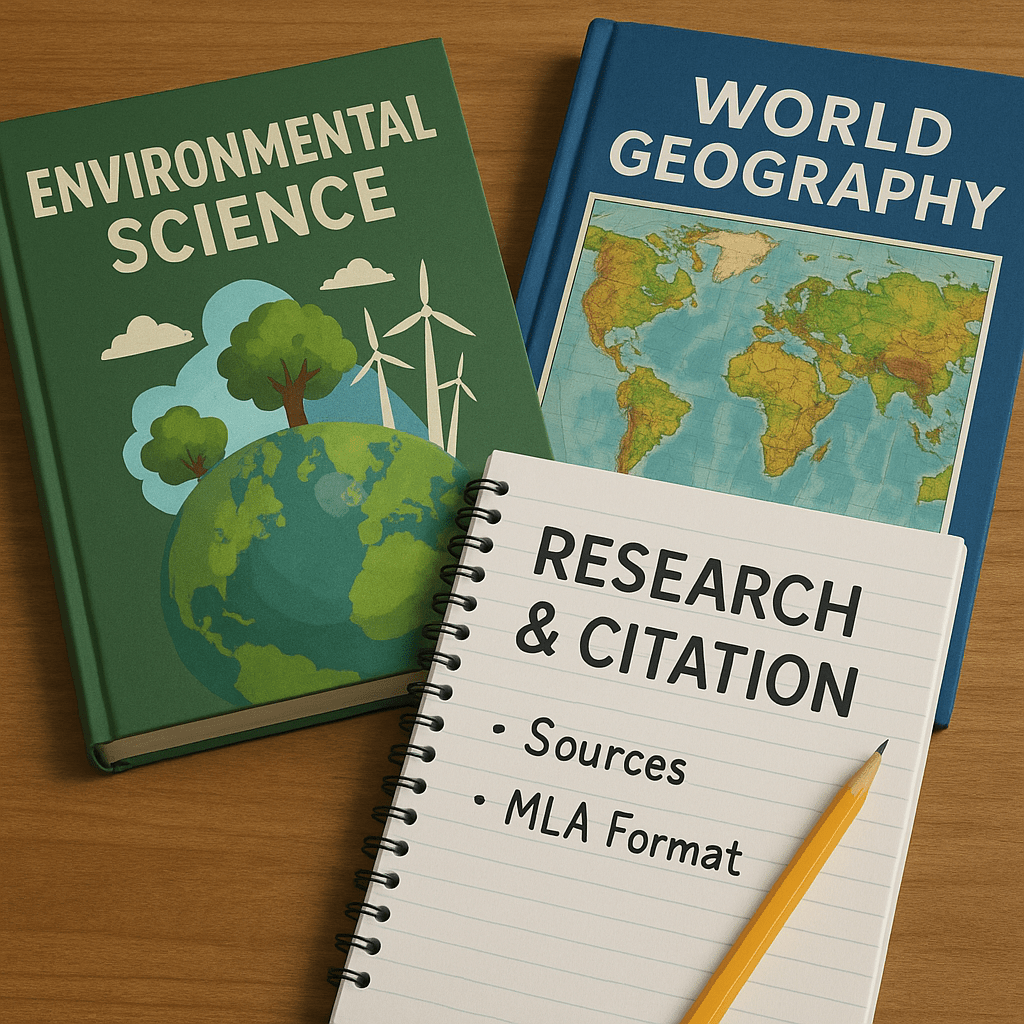
Environmental Science and World Geography both focus on the world around us, Geography being more general, and Environmental Science being more specific. Environmental Science focuses on each person’s unique environment, for example the house you live in or the food we eat, and how it was made, how it got to you, and how you impact your environment. The World Geography class has focused on one country or region per week, giving an overview of the area.
As we began our Environmental Science course, my teacher explained the definitions of bias, and how to spot it. And Research and Citation has gone several steps further with a method called CACAO: Currency, Accuracy, Coverage, Authority, and Objectivity. This acronym has been helpful, but I use it less as a strict method (such as the scientific method, for example) and more as guidelines for my research.
I’ve looked at several articles now in my science and geography classes, and I’ve used the skills I’ve learned in Research & Citation to examine these articles with a more analytical eye instead of thinking like a casual observer.
But one of my favorite parts of Research & Citation was an assignment where I learned to use the Wikipedia random article button.
I read all about a very accomplished French tennis player, Marguerite Broquedis, and wrote a little paragraph on her.
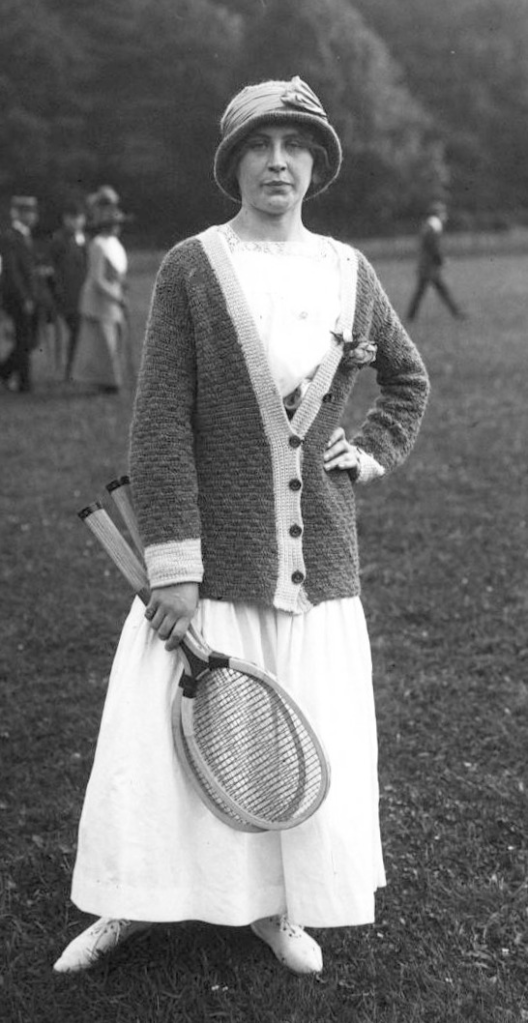
Marguerite Broquedis, 1912
It’s important, especially for teenagers, to know how to remain unbiased while reading articles. We need to be especially careful with inflammatory headlines or articles designed to create shock and outrage. Big, startling, flashy headlines make you want to click on the page to find out more–but if you choose to click on that link, you should know how to read the article critically. Today’s online research requires critical thinking more than ever.


 Cabinet of Curiosities
Leave a comment