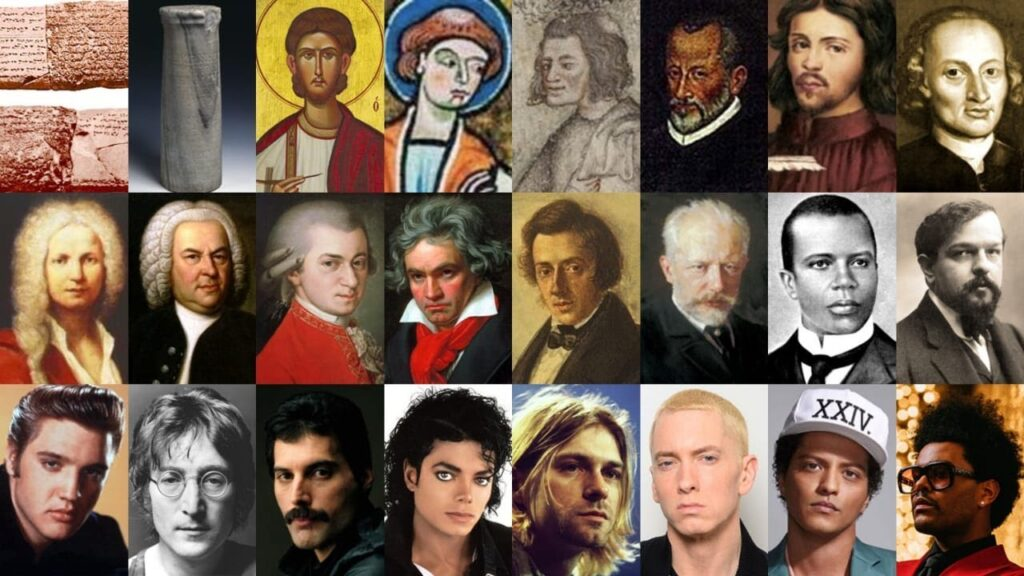
Last semester I took a classical music course, which traced the history of classical music from Handel to Gershwin.
Some of my favorites from the fall semester were “Le carnaval des animaux (The Carnival of the Animals): VII. Aquarium” by Camille Saint-Saens and “Boléro” by Maurice Ravel. We saw a live performance of “Boléro” about a year ago at the symphony, and it was incredible. There was a three minute standing ovation for the snare drummer, who played non-stop for fifteen minutes.
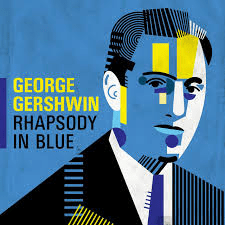
“Rhapsody In Blue” by George Gershwin ended up being my favorite of all of the pieces we listened to. The opening is an incredibly attention-grabbing clarinet solo. In fact, during the 1924 concert it was premiered at, the audience was so restless (the concert was 26 very long pieces before Gershwin’s piece) many of them got up to leave, but that clarinet stopped them in their tracks.
This spring, we switched to a different genre. The course we’re using is entitled The Art of Rock & Roll, and so far we’ve covered blues and jazz, the first artists of who were “officially” considered rock & roll, rockabilly, doo-wop, surf rock, and the Britsish Invasion of the 1960s.
What’s interesting to me so far is that melodies from the 1950s are still being used in songs from almost every genre today. I’ve noticed the same melody pop up in two songs so far: “Sweet Little Sixteen” by Chuck Berry and “Surfin’ USA” by The Beach Boys.”
So far my favorite songs have been:
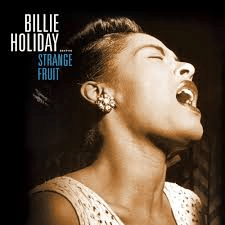
“Strange Fruit” by Billie Holiday. Billie Holiday’s rich, elegant voice makes for an incredibly haunting song. It’s one of the first songs used to openly criticise racism in the American South, specifically the practice of lynching. The song is simple in melody, but the lyrics, adapted from a poem titled “Bitter Fruit” by the Jewish schoolteacher Abel Meeropol, are powerful and unflinching. This same man wrote the lyrics to “The House I Live In” by Frank Sinatra.
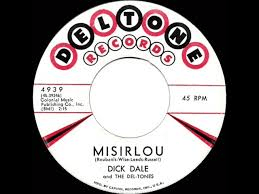
“Misirlou” by Dick Dale and his Del-Tones. These guitar riffs are some of the best I’ve ever heard, and I love how the piano echoes them. It’s reminiscent of the call-and-response technique used in many of the jazz and blues songs we studied a few weeks ago. I noticed the Middle Eastern influence in quite a few surf rock songs, especially this one. “Misirlou” translates to “Egyptian girl” in Greek–and both the Greek word and the song have older roots in Turkey. Dick Dale was bet by a young fan at one of his concerts that he couldn’t play a song on only one string of his guitar. But his father, a Lebanese-American musical, had played Misirlou (at a much slower tempo) on a single string of the oud. So Dale sped up the song and turned it into the fantastic surf-rock song we know it as today.
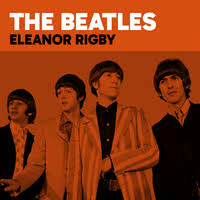
“Eleanor Rigby” by The Beatles. It’s a deceptively simple song, using only string instruments: four violins, two violas, and two cellos. None of the Beatles played instruments on this song, though George Harrison and John Lennon sang harmonies. There’s no drums or real backbeat, but the complex layered instrumental and vocal harmonies make up for it. The lyrics are simple but eerie, and the storytelling in this song makes it one of my personal favorites.
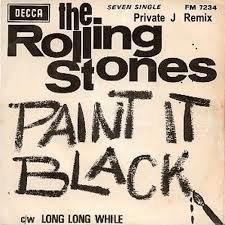
“Paint It, Black” by The Rolling Stones. It’s a rock classic, and a common pop culture reference. The beginning of the song is where you can hear Indian and Middle Eastern influence, which grows into the more modern classic rock sound. The Rolling Stones were in essence The Beatles’ antithesis, the bad boys of the era. Their songs were the blueprint for the modern rock that followed, which is what we’ll be studying in the weeks to come!


 Cabinet of Curiosities
Leave a comment