Every so often, the urge will strike me to learn something, and I’ll go down a metaphorical rabbit hole of research. Sometimes these little bits of research turn into hobbies or pastimes, like deciding one day to learn a new language, or even starting a jewelry business. These moments of spontaneous curiosity often spiral in unique and interesting ways, and I thought I’d share a couple of my recent rabbitholes in this week’s blog post.

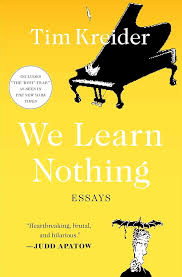
I Know What You Think of Me is an essay published in 2013 by a New York Times journalist named Tim Kreider. I found this essay referenced in a work of fanfiction, which used a quote from the essay that I immediately looked up to see what it was from: “…if we want the rewards of being loved we have to submit to the mortifying ordeal of being known.” It’s the essay’s closing sentence, but the entire piece is witty and wonderful and very well written. It’s perhaps my favorite essay I’ve read to date, and I’d highly recommend checking it out. Click on the title above to read–or you could find the essay in Kreider’s collection We Learn Nothing.
I’ve also been very curious about the 1940s recently, specifically movies, propaganda, and WWII. So naturally, my love of fashion came into this as it so often does, and I began researching how accurate the Nazi uniforms were in Captain America: The First Avenger. This question led me down another path, to the issues with the stylish but completely impractical uniforms of the Third Reich. It’s a true story that Hitler was a stickler for fashion; an infiltration mission led by an American unit was found out (they got out, with enemy intel) because the cut of their pants was slightly off regulation. This article is an excellent place for information on the uniforms, who designed them, and why they were so heavily regulated: Nazi Uniform Struggles
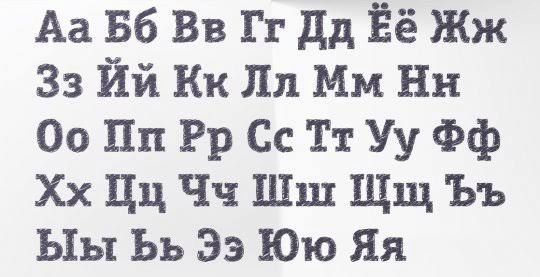
I will admit, my fascination and curiosity with the Russian language began with Marvel. After all, three of my favorite characters are former Soviet assassins with strong ties to the country (the Winter Soldier/Bucky Barnes, Black Widow/Natasha Romanoff, and Yelena Belova/White Widow, respectively and in order of favorites.) I also find it an exceedingly beautiful language, if an incredibly trying one. The Cyrillic alphabet truly was invented to cause as much grief to Penelope Wohl as humanly possible. That being said, I’ve made Cyrillic alphabet flashcards that make learning it quite a bit easier. Duolingo, unfortunately, does not offer a Russian course that’s not already in Cyrillic, so I’m working up to that by first memorizing and forming reading comprehension with Cyrillic. It’s a slow and often tedious process, learning a new language, but it’s something I’ve come to find that I really enjoy.
A quick look at my recent Google searches would show you a dive into the history of a few Catholic Saints; Art Nouveau tattoos (they’re gorgeous, especially the incredibly intricate Mucha-inspired ones); research I needed for my novel-in-progress; how memory loss occurs as a result of head injury; and how AM radio stations got their call letters in the early 1950s American Midwest. Going down all these little rabbit holes is a fantastic way to learn just about anything–you’d be surprised how much you can learn from a simple Google search that spirals into treks across blogs, websites, and even vlogs.


Leave a Reply